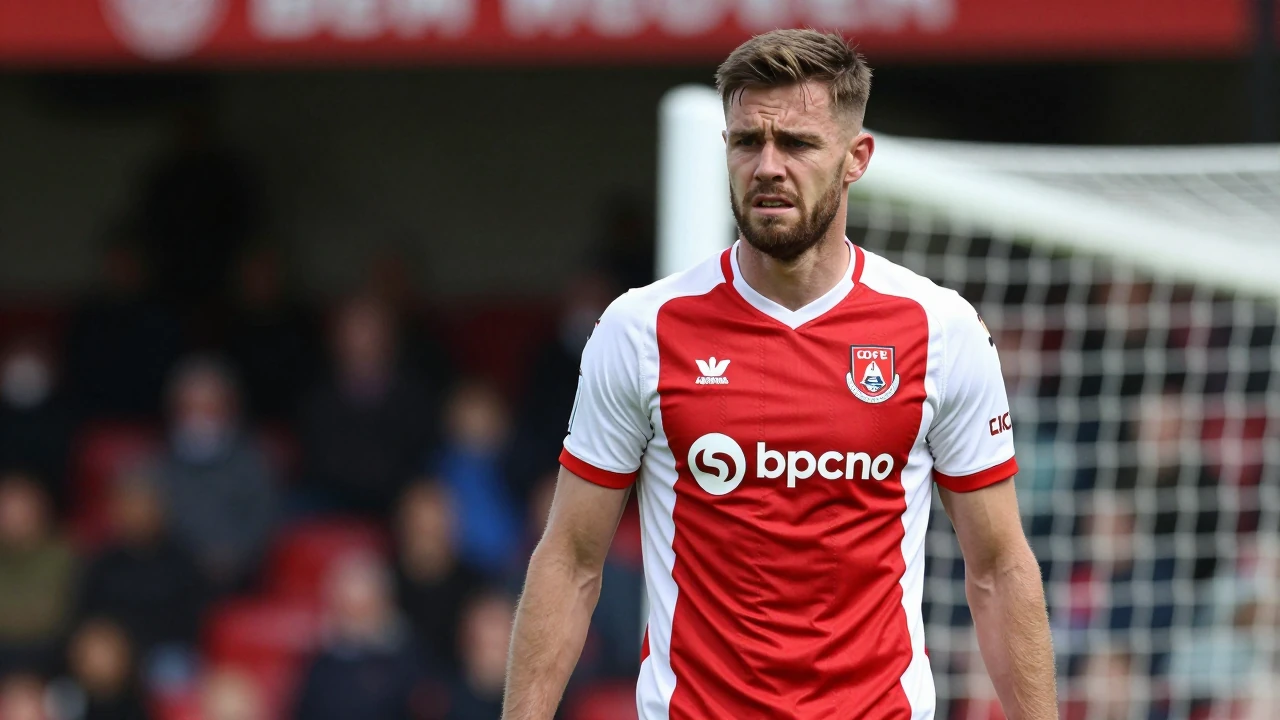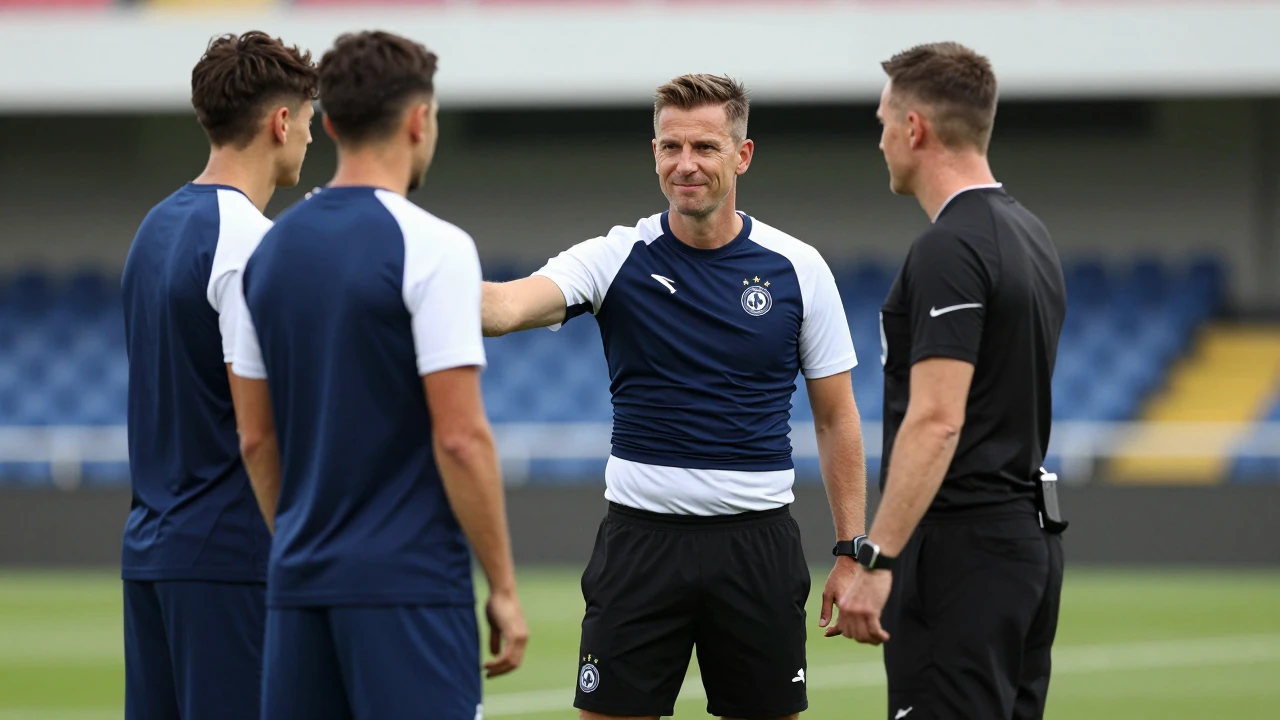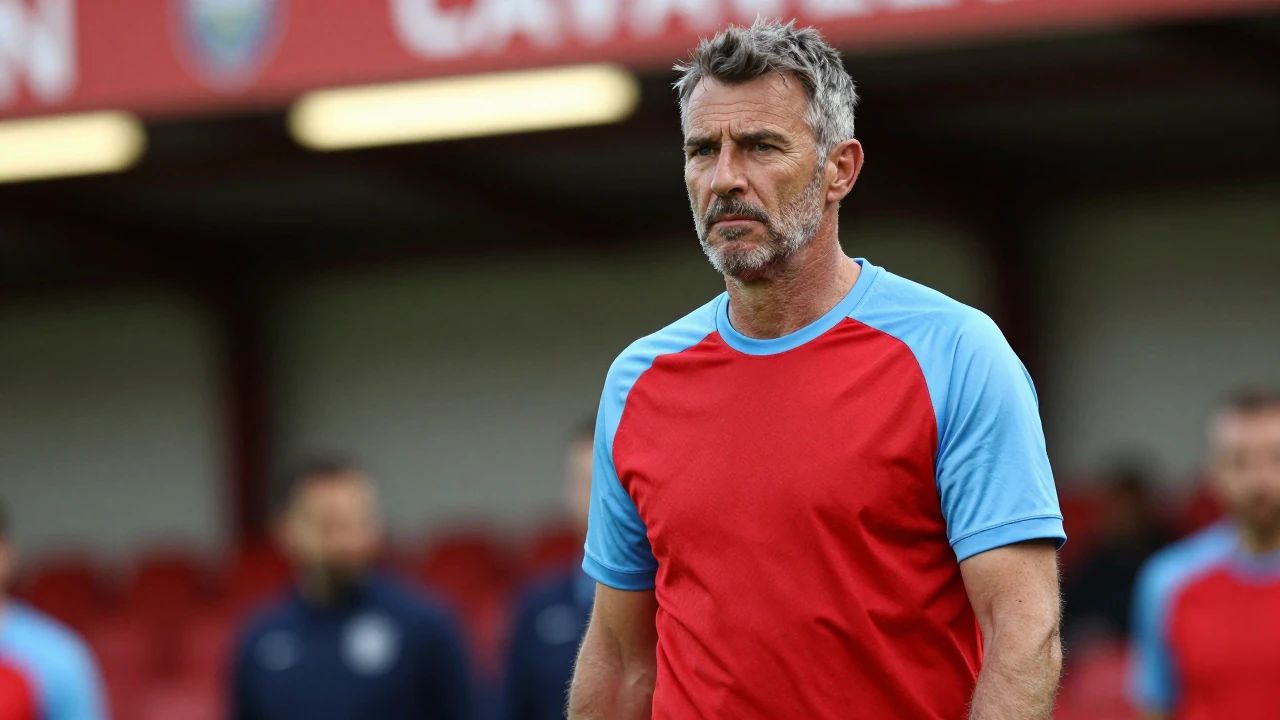
The famous Seaview roar is always there, but recent weeks have seen our beloved Crues deliver a mixed bag of results and performances. It's a testament to the squad's character that we continue to battle, yet for those of us on the terraces, a recurring tactical pattern has emerged – our pressing game, while occasionally brilliant, often feels like a puzzle missing a few vital pieces.
At its best, the Crues' high press can be suffocating, turning over possession deep in opposition territory and creating prime scoring opportunities. We’ve seen flashes of this intensity, forcing errors and dictating the tempo. However, the inconsistency is noticeable. Too often, our press becomes disjointed, a series of individual efforts rather than a synchronised collective. One player might sprint to close down, only for others to hold their positions, leaving glaring passing lanes and allowing opponents to easily bypass our initial surge.
This leads directly to the second major issue: midfield vulnerability. When the first line of the press is broken, our midfield can sometimes appear too spread or too flat. This creates crucial pockets of space for opposition midfielders and forwards to receive the ball, turn, and run at our defence. Suddenly, what started as an aggressive defensive action transforms into a rapid counter-attack against us, putting undue pressure on our backline and goalkeeper. Furthermore, the defensive line doesn't always step up in unison with the attacking press, leading to an expanded area for opponents to exploit between our lines.
So, what are the tactical tweaks to sharpen this essential tool? It's not about ditching the press, but about refining it to maximise its effectiveness and minimise risk.
Firstly, collective pressing cues are paramount. We need to drill specific triggers into the squad – whether it's an opposition backpass, a certain body shape when receiving, or the ball moving into a particular wide channel. The moment that trigger is hit, the entire team, not just the nearest player, must shift and engage as a cohesive unit. This means clear communication and shared understanding across all departments.
Secondly, midfield compactness and reshaping are vital. When the high press is on, our midfield must immediately adjust to create a tighter diamond or triangle shape behind the first line of engagement. This denies central access, forces opponents wide, and provides a much better shield for the defence. Perhaps a designated midfielder needs to adopt a slightly deeper, screening role during these phases, ensuring the central passing lanes are shut down.
Finally, the defensive line's aggression and synchronisation with the press needs to be absolute. Our back four must be brave and step up decisively to squeeze the play, reducing the space for opponents to operate between the lines. This requires constant communication, trust, and a willingness to defend high up the pitch. Coupled with this, our counter-pressing after losing possession must be relentless and immediate. When the ball is lost, the nearest Crues players must swarm the opponent, winning the ball back quickly before the opposition can even think about building an attack.
These aren't radical overhauls but intelligent, precise adjustments to an existing philosophy. The Crues' legendary fight and work rate are non-negotiable, but by adding greater tactical precision to our pressing, we can translate that effort into more consistent control, fewer defensive scares, and ultimately, more victories. It’s about making Seaview not just a tough place to visit due to our spirit, but an impenetrable tactical fortress for any Premiership challenger.