
English football must act now to address a looming financial crisis, the new Independent Football Regulator has warned. Its first major report found that while the game generated £9 billion last season, 94% of clubs in the top five divisions were loss-making.
The regulator's chair, David Kogan, said the industry stands on the edge of disaster despite its global success. He told reporters the current period of high revenue is the right time to fix structural issues. "This is the very moment to address the issues of liquidity and losses and debt, before suddenly you see the money going backwards and it's too late," Kogan said.
A system under strain
The 'State of the Game' report paints a stark picture. It found 32 clubs could not survive more than 30 days without funding from their owners. A further 17 clubs would still be loss-making even if their players played for free. Total debt in English football is forecast to rise above £5 billion by the end of this season.
A major problem identified is the growing financial gap between divisions. The average Premier League club now earns 8.7 times more than the average Championship club, a huge increase from the 2.7 times difference in 1992. The system of parachute payments for relegated clubs was described as "distortive," encouraging risky spending in the second tier.
A six-point rescue plan
The regulator has issued a six-point action plan to improve sustainability. It calls for reform to how money is distributed through the football pyramid, aiming to reduce the damaging impact of relegation. Clubs will also be required to improve how they manage financial risk and hold more cash in reserve.
By 2030, all clubs must have a plan to meet new 'Appropriate Financial Resources' requirements. The plan also insists clubs must demonstrate how they take fan views into account and make progress on boardroom diversity.
Kogan said he is optimistic that ongoing talks between the Premier League and the EFL can produce a workable deal. He noted that a proposed 'New Deal' includes merit-based payments, which would see top Championship clubs receive more solidarity funding. "The delta, which was 'that' [hands wide apart], is going to go to 'that' [hands closer together]," he explained, suggesting the financial extremes would narrow.
Richard Monks, the regulator's chief executive, said his team would be vigilant against "creative compliance" with financial rules. He acknowledged clubs will always look to push boundaries. "Your job as an effective regulator is to anticipate that," Monks stated.
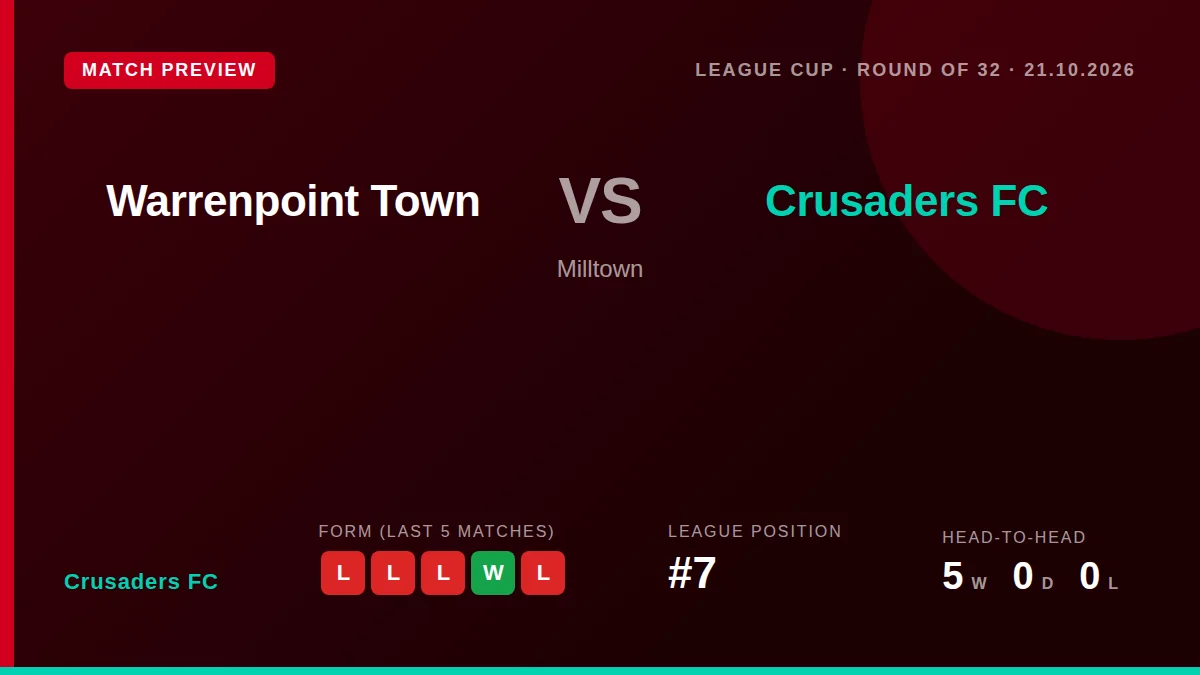
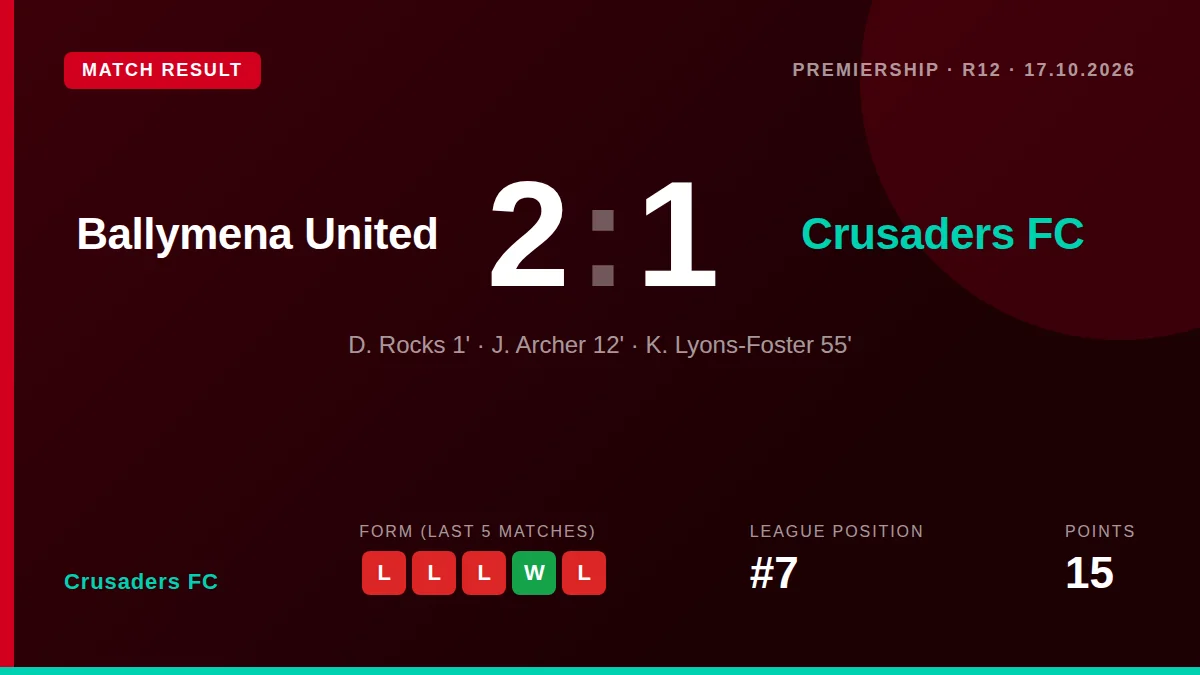
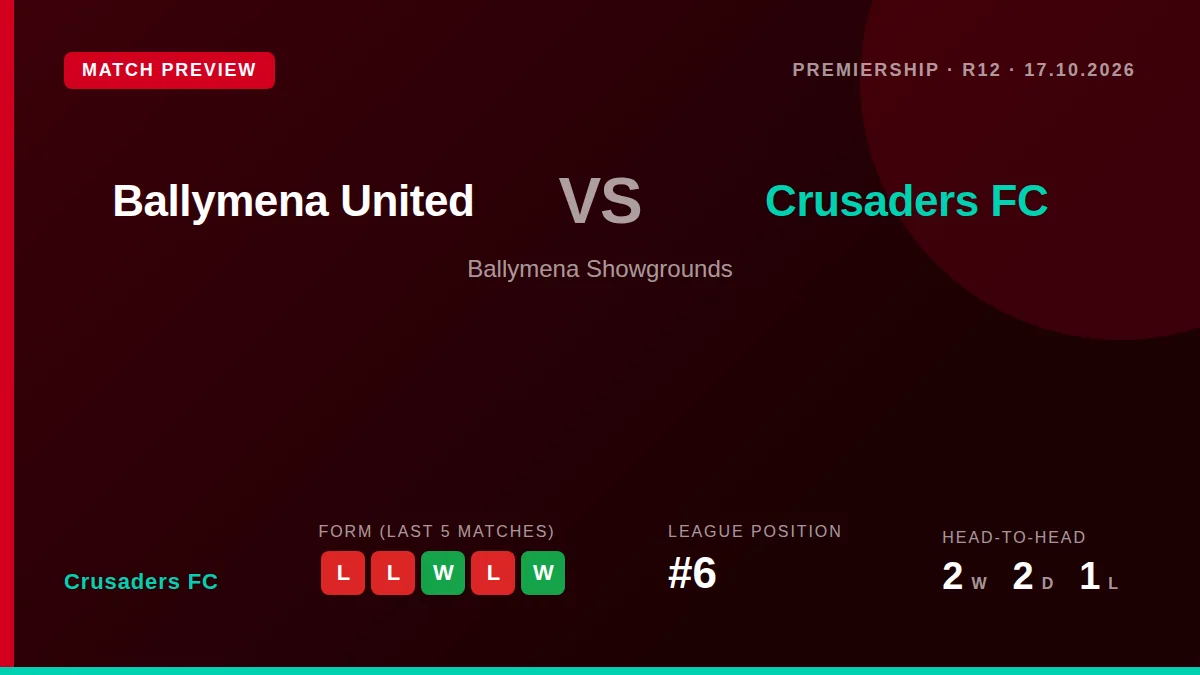
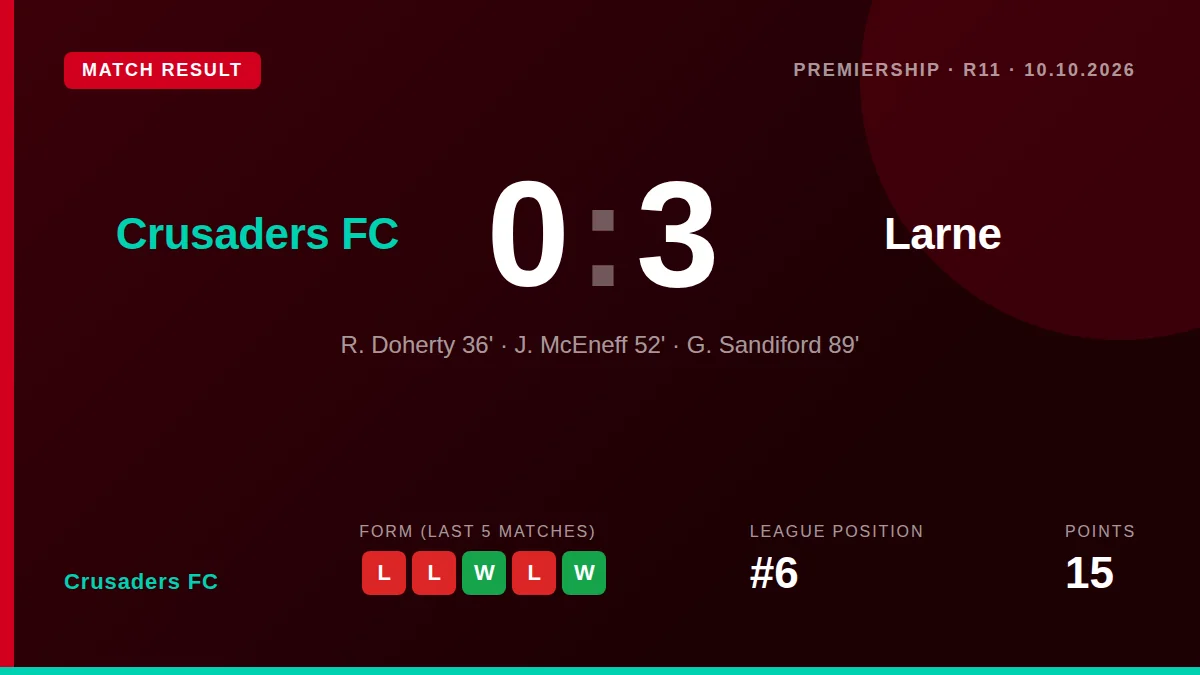
The Football Supporters' Association chair, Tom Greatrex, said the report must serve as an "alarm call" for real change. The IFR has committed to publishing an annual risk assessment, with the first due in spring 2028. Back in domestic action, Crusaders FC are next in action away to Ballymena United on Saturday.
First reported at espn.com